
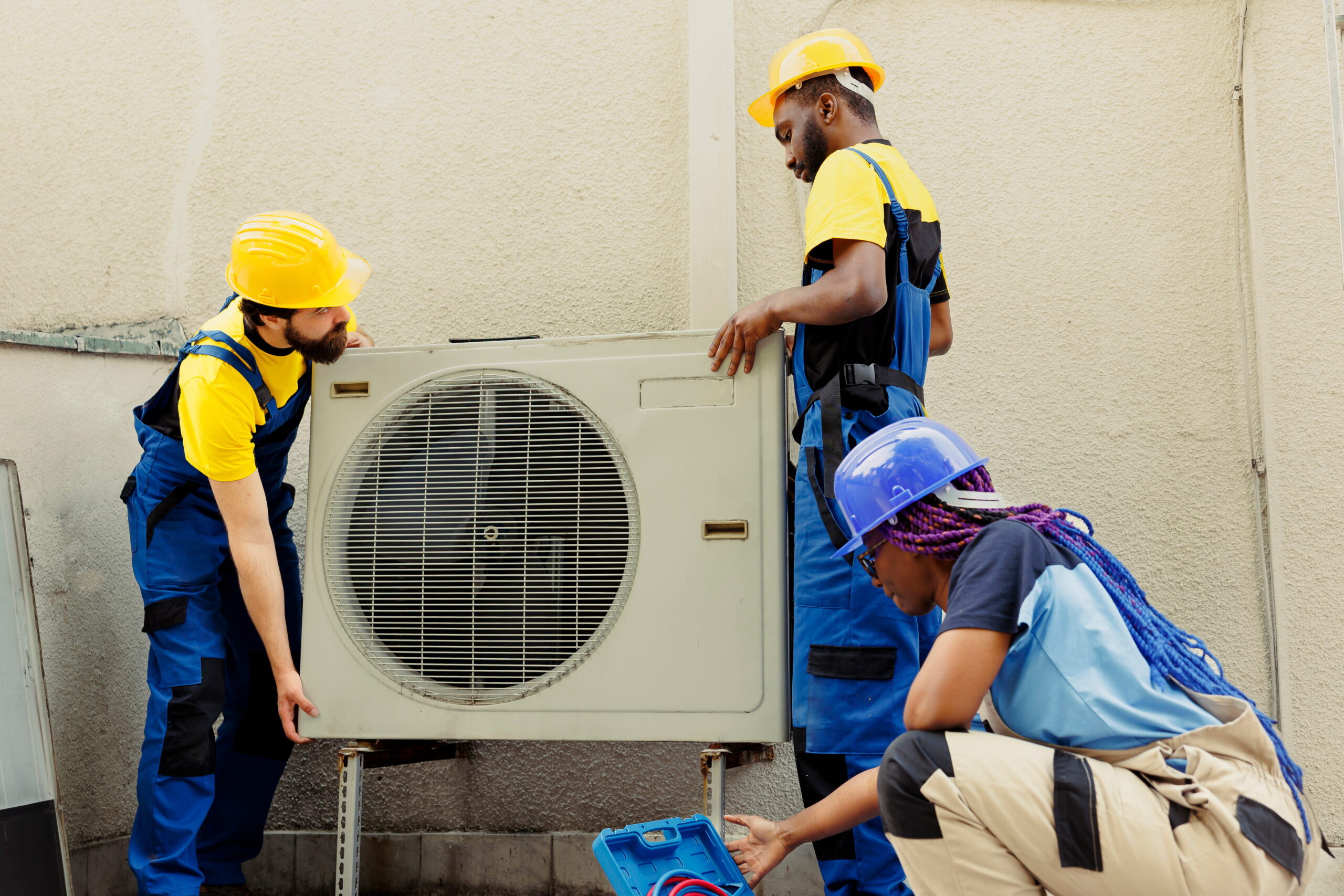
In South Carolina’s relentless heat and humidity, your air conditioner isn’t a luxury, it’s a lifeline. And when it starts struggling, your comfort, energy bills, and peace of mind feel it immediately. At Cottrell & Co., Inc. Plumbing, Heating & Air, we’ve helped Midlands homeowners navigate one of the most common, and costly, questions in HVAC: Should I repair my air conditioner, or is it time to replace it?
The truth is, AC systems in our region work harder and age faster than those in milder climates. Long cooling seasons, high humidity, and constant demand put heavy wear on critical components. What may seem like a minor issue today can quickly turn into a major expense tomorrow.
In this guide, we’ll walk you through 10 clear signs it may be time to replace your air conditioner, along with practical insight from our experienced technicians. Whether your system is making strange noises, driving up your energy bills, or simply not keeping up with the Carolina heat, this breakdown will help you make a confident, informed decision — without pressure or guesswork.
Because at Cottrell & Co., we believe comfort decisions should be based on facts, not fear.
Here below are The 10 Signs Your Air Conditioner Needs Replacement
- The 10–15 Year Rule (South Carolina Edition)
- The 50% Repair Rule
- You Can Feel the Humidity
- Rising Energy Bills With No Lifestyle Changes
- Loud or Unusual Noises
- Frequent Refrigerant “Top-Offs”
- Hot Rooms or Uneven Cooling
- Excess Dust or Allergy Flare-Ups
- Your System Uses R-22 (“Freon”)
- Your AC Never Shuts Off
1. The 10–15 Year Rule (South Carolina Edition)
In the Midlands, AC systems age in dog years. While a unit in a cooler climate might last 20 years, our long, intense cooling seasons mean a 12-year-old system here has already seen heavy wear. If your unit is approaching or past this mark, it’s likely on borrowed time.
As systems reach this stage, internal components like the compressor, blower motor, and coils have endured thousands of hours of operation under high heat and humidity. Even if the unit is still running, efficiency often declines, cooling performance becomes inconsistent, and the likelihood of costly breakdowns increases. Energy bills may slowly creep upward, and minor repairs can start turning into recurring service calls. At this point, it’s less about whether the system can keep running, and more about how much longer it can do so reliably through another South Carolina summer.
2. The 50% Repair Rule
If a repair estimate costs more than 50% of the price of a new system, it’s usually time to walk away. Spending thousands on a compressor when other major components are already worn often leads to another expensive breakdown shortly after.
For homeowners in the Midlands of South Carolina, this rule is especially important when evaluating air conditioner repair vs. AC replacement. Investing heavily in an older HVAC system rarely restores it to like-new condition, it simply replaces one failing part while the rest of the system continues to age. In many cases, upgrading to a new high-efficiency air conditioning system provides better reliability, improved energy savings, and stronger indoor humidity control. When repair costs climb too high, replacing your air conditioner can be the smarter long-term financial decision, reducing future breakdown risks and lowering monthly utility bills.
3. You Can Feel the Humidity
Does your home feel sticky even when the AC is running? Are your windows sweating? Modern variable-speed HVAC systems are designed to remove South Carolina’s heavy moisture. Older systems simply can’t keep up.
Indoor humidity control is just as important as temperature control. If your air conditioner is running but your home still feels damp, clammy, or uncomfortable, your system may be losing its ability to properly dehumidify the air. High indoor humidity can strain your HVAC system, reduce energy efficiency, and create conditions for mold growth and poor indoor air quality. Many older AC units are single-stage systems that cool quickly but don’t run long enough to effectively remove moisture from the air. Over time, this leads to uneven comfort and higher energy bills.
- Sticky Indoor Air – Persistent humidity even when your thermostat reads the correct temperature.
- Condensation on Windows – Excess moisture buildup signals poor humidity removal.
- Musty Odors – Damp air can contribute to mold and mildew smells.
- Uneven Comfort Levels – Some rooms feel warmer due to excess moisture.
- Increased Allergy Symptoms – High humidity worsens indoor air quality and airborne irritants.
If your AC can’t manage South Carolina humidity, it may be time for a professional system evaluation. Contact Cottrell & Co. for an honest air conditioning assessment today.
4. Rising Energy Bills With No Lifestyle Changes
Compare this July’s power bill to last July’s. If usage is higher but nothing has changed, your system may be working harder and longer just to maintain the same temperature, pulling more amps and costing you more money.
For many homeowners in the Midlands of South Carolina, unexplained spikes in summer energy bills are one of the earliest signs of AC system decline. As an air conditioner ages, internal components like the compressor and blower motor lose efficiency, forcing the system to run longer cooling cycles just to keep up with demand. Reduced airflow, worn coils, or low refrigerant levels can further decrease HVAC efficiency, increasing electricity consumption without improving comfort. If your energy costs continue climbing despite consistent thermostat settings and normal usage patterns, it may be time to consider a professional air conditioning inspection or evaluate whether AC replacement would provide better long-term energy savings and performance.
5. Loud or Unusual Noises
Grinding, banging, or metal-on-metal sounds often indicate major mechanical failure, such as a failing compressor or blower motor. These are not minor fixes—and they’re rarely cost-effective on older units.
In South Carolina’s long cooling season, your air conditioner should run relatively smoothly with a consistent hum. When you begin hearing loud or unusual AC noises, it’s often a warning sign that internal components are breaking down. Loose or damaged parts can create vibration, strain the motor, and lead to further system damage if ignored. In many cases, especially with aging HVAC systems, these mechanical failures signal that the unit is nearing the end of its service life. Addressing strange air conditioning sounds early can help you determine whether a targeted AC repair is possible or if full system replacement will provide safer, more reliable cooling performance.
6. Frequent Refrigerant “Top-Offs”
Your AC system is a sealed loop. If it needs refrigerant every year, you have a leak. With the rising cost of older refrigerants like R-22 and R-410A, repairing leaks in aging coils is often a losing financial battle.
In a properly functioning air conditioning system, refrigerant should never need to be “topped off.” If your HVAC technician adds refrigerant during routine AC service year after year, it’s a clear sign of a refrigerant leak somewhere in the system. In South Carolina’s demanding climate, low refrigerant levels reduce cooling capacity, strain the compressor, and significantly decrease energy efficiency. Over time, this can lead to compressor failure, one of the most expensive AC repairs. With phased-out refrigerants like R-22 becoming increasingly costly and harder to source, repeated recharges often cost more long term than investing in a modern, high-efficiency air conditioning replacement.
- Warm Air From Vents – Low refrigerant prevents proper heat absorption and cooling.
- Ice on Refrigerant Lines – Frozen coils signal pressure imbalance in the HVAC system.
- Hissing or Bubbling Sounds – Audible signs of a refrigerant leak.
- Longer Cooling Cycles – The system runs continuously to reach set temperature.
- Higher Energy Bills – Reduced efficiency increases electricity consumption.
If your AC requires frequent refrigerant service, schedule a professional leak inspection with Cottrell & Co., Inc. Plumbing, Heating & Air and explore long-term replacement solutions before costly compressor damage occurs.
7. Hot Rooms or Uneven Cooling
If one room stays warm while others are cold, your blower performance or ductwork integrity may be failing. Many homeowners forget that ductwork is a critical part of the HVAC system.
Uneven cooling is a common complaint among homeowners in the Midlands of South Carolina, especially during peak summer heat. When certain rooms feel hotter than others, it may indicate restricted airflow, leaking ductwork, insulation issues, or a weakening blower motor. Over time, duct systems can develop gaps, loose connections, or debris buildup that prevents conditioned air from reaching every part of the home efficiently. In some cases, the air conditioner itself may be improperly sized or losing capacity due to age. Addressing hot spots early with a professional HVAC inspection can determine whether targeted duct repairs, airflow adjustments, or a full AC system replacement will restore balanced comfort and energy efficiency throughout your home.
8. Excess Dust or Allergy Flare-Ups
Older systems can become breeding grounds for dust and biological growth. If you’re changing filters frequently but your home still feels dusty, the internal components—or ductwork—may be deteriorating.
In South Carolina homes, high humidity and heavy AC usage can accelerate dust accumulation and mold growth inside aging HVAC systems. Even with regular filter changes, worn or dirty coils, deteriorating ductwork, and compromised blower components can circulate allergens, dust, and microbial particles throughout your living space. This not only reduces indoor air quality but can also trigger allergy flare-ups, respiratory irritation, and discomfort for family members. Persistent dust and allergy symptoms often signal that your AC system is no longer effectively maintaining clean, healthy air. A professional inspection can identify whether deep cleaning, duct repair, or a full system upgrade is the most effective solution to restore comfort and air quality.
9. Your System Uses R-22 (“Freon”)
R-22 refrigerant has been phased out by the EPA. Any repair involving it is now extremely expensive and difficult to source. In many cases, upgrading to a modern, eco-friendly R-454B system is the smarter long-term choice.
If your air conditioner still relies on R-22 refrigerant, you’re facing one of the most significant challenges for older AC systems in South Carolina. The phase-out means R-22 is increasingly rare, driving up repair costs and limiting availability. Continuing to service a system with R-22 often becomes a losing battle, especially if other components are aging or failing. Modern R-454B systems are more efficient, environmentally friendly, and easier to maintain, providing consistent cooling while lowering energy bills. For homeowners weighing repair versus replacement, transitioning to a new AC system ensures reliability, peace of mind, and compliance with current EPA regulations
- High Repair Costs – R-22 repairs are significantly more expensive than modern alternatives.
- Limited Availability – Replacement refrigerant is scarce and may delay service.
- Environmental Concerns – R-22 is ozone-depleting and phased out under EPA rules.
- Better Efficiency – Modern systems with R-454B deliver improved SEER performance.
- Long-Term Savings – New systems reduce energy bills and future maintenance costs.
If your system still uses R-22, schedule a professional evaluation with Cottrell & Co., Inc. Plumbing, Heating & Air to explore eco-friendly replacement options and protect your home’s comfort.
10. Your AC Never Shuts Off
If your system runs nonstop during a 90-degree day and still struggles to keep you comfortable, it may have lost its cooling capacity. Continuous operation drives up energy bills and dramatically shortens system lifespan.
An air conditioner that never shuts off is a clear warning sign of a system under stress. Constant operation often indicates failing components such as the compressor, blower motor, or refrigerant issues that prevent the AC from reaching the desired temperature. Overworked systems not only increase electricity costs but also risk sudden breakdowns during peak summer heat, leaving your home uncomfortable. Aging units forced to run continuously experience accelerated wear, reducing reliability and lifespan. A professional inspection can determine whether a repair is viable or if a full AC replacement is the smarter long-term choice to restore consistent cooling, energy efficiency, and peace of mind for your home.
The Cottrell & Co. Approach: Repair vs. Replace
At Cottrell & Co., Inc. Plumbing, Heating & Air, we don’t believe in one-size-fits-all recommendations when it comes to air conditioning. Every home and HVAC system is unique, and our goal is to help South Carolina homeowners make the smartest decision for comfort, safety, and long-term savings. When our technicians visit, we carefully evaluate three key factors:
- Safety – We check for electrical hazards, failing components, or secondary drain pan issues that could lead to water damage or ceiling problems.
- Efficiency – We assess whether a high-efficiency Heil system would provide energy savings that justify the investment over time.
- Reliability – We determine if a repair will last through the demanding summer months. If it won’t, we’ll tell you honestly rather than recommending a temporary fix.
Our approach ensures you get transparent guidance on whether to repair your current system or invest in a new, high-performance air conditioner that keeps your home comfortable, energy-efficient, and worry-free.
Timing Matters More Than You Think
Waiting until your AC completely fails often means emergency pricing, limited scheduling, and unnecessary stress. Replacing your system in the spring or fall allows for better planning and avoids breakdowns during peak heat.
For homeowners in the Midlands of South Carolina, timing your air conditioning replacement can make a significant difference in cost, convenience, and overall comfort. Emergency repairs during July or August often come with higher service fees, limited technician availability, and the stress of enduring high heat while waiting for your system to be fixed. Planning a replacement in the shoulder seasons — spring or fall — allows for flexible scheduling, competitive pricing, and the opportunity to select a high-efficiency, modern HVAC system that fits your home and budget. Proactively replacing an aging or underperforming AC ensures consistent indoor comfort, improved energy efficiency, and peace of mind before the next South Carolina heatwave hits.
Ready for an Honest Assessment?
Stop guessing and start cooling. Our team provides a transparent repair-vs-replace cost-benefit analysis so you can make the right decision for your home and budget.
We evaluate your current AC system’s age, efficiency, and reliability, and provide recommendations tailored to South Carolina homeowners. Whether it’s a minor repair, a major component replacement, or a full system upgrade, we help you weigh short-term costs against long-term savings, energy efficiency, and comfort. Avoid unexpected breakdowns during the hottest months and ensure your home stays cool and healthy.
Schedule your AC system evaluation today and get peace of mind before the next heatwave hits.
Recent Comments